
PETRA-HRG
People
Staffs
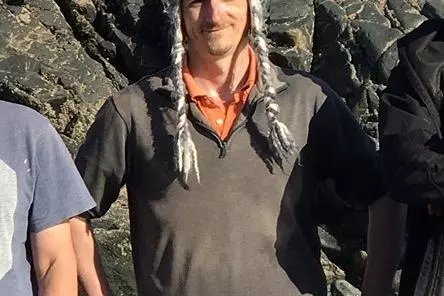
Dr. Richard M. Palin
I completed my DPhil (PhD) at the Department of Earth Sciences, University of Oxford, UK, in 2013, where I studied the thermal and structural evolution of parts of the Himalayan Range and Tibetan Plateau. I then worked as a lecturer and postdoctoral research fellow at the Institute of Geosciences, JGU Mainz, and subsequently joined the Colorado School of Mines, USA, as an Assistant Professor of Metamorphic Geology. I have now returned at last to Oxford as the Associate Professor of Petrology.
Professor Mike Searle (retired)
Mike's research is related to the structural geology and tectonic evolution of the Alpine & Himalayan collision belt. He has worked in Oman and the United Arab Emirates for the last 25 years as well as in Syria, Nepal, India, Pakistan, Bhutan, Tibet, Burma and Vietnam. He is the author of the recent book Colliding Continents, and of over 100 research papers. He is a Senior Research Fellow in the Department of Earth Sciences and Lecturer at Worcester College, University of Oxford.
Dr Dave Waters (retired)
Dave is Associate Professor of Metamorphic Petrology and Curator of Earth Collections in the Oxford University Museum of Natural History. He is interested in fundamental processes of metamorphic change and in the observable record they leave in the reaction and deformation microstructures of natural rocks. His practical experience extends across a broad range of petrological settings, from thermal aureoles to young mountain belts, and from subduction zones to ancient granulites and crustal melting.
Professor Laurence Robb
Laurence has spent most of his career working as an economic geologist, focusing his research on the diverse ore deposits of the African continent. He is the author of the text book, published by Blackwell, Introduction to Ore Forming Processes. He consults widely for industry and he is an Honorary Professor in the School of Geosciences at the University of the Witwatersrand, and Visiting Research Fellow in the Department of Earth Sciences, University of Oxford.
Graduate Students
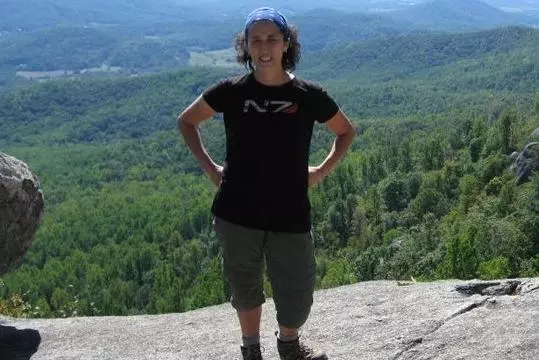
Kim Cone, PhD candidate (CSM, USA)
Kim is investigating the petrogenesis of lunar basalts by using metamorphic phase equilibrium modeling and recently developed activity-composition relations for ultramafic rocks, which will provide new insight into the formation of the Moon and lunar magma ocean hypothesis.
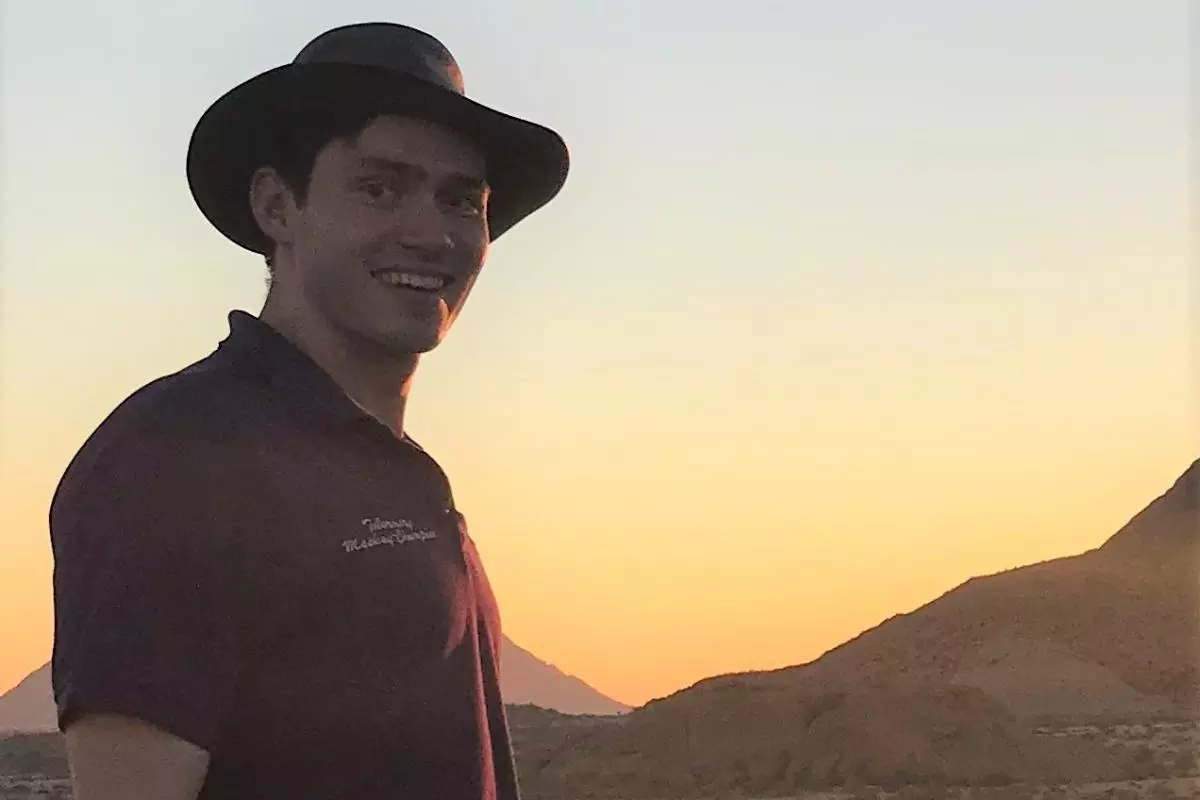
Tobermory Mackay-Champion, DPhil (PhD) candidate (Oxford, UK)
Toby will investigate the geodynamic and thermodynamic processes of Cu-Co ore body formation in the Katanga Basin, Central Africa as part of the NERC Copper Basin Exploration Science (CuBES) team. CuBES will determine the crustal framework of the Katanga basin by conducting passive seismic experiments along a profile of the basin in Zambia. These geophysical data will be used in tandem with structural field observations, metamorphic petrology and U-Pb geochronology to formulate an integrated and coherent process-driven evolution of the Katanga Basin and its Cu-Co pathways and ore bodies.
Lot Koopmans, DPhil (PhD) candidate (Oxford, UK)
Lot will investigate the petrogenesis Li-Cs-Ta (LCT) pegmatites which crystallized around the Archean-Proterozoic boundary by using phase equilibrium modelling and isotope geochemistry. He hopes use insights gained from LCT pegmatites to constrain crustal evolution processes in the Early Earth.
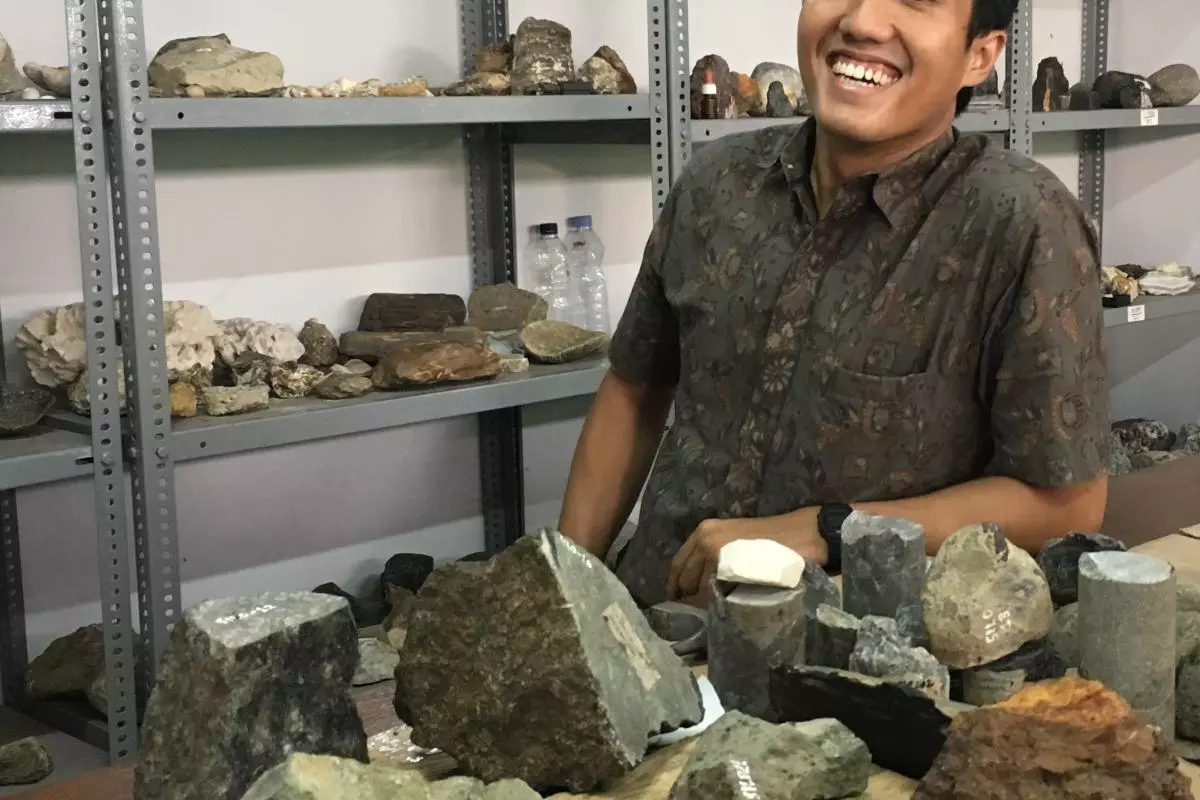
Felix M. H. Sihombing, DPhil (PhD) candidate (Oxford, UK)
Felix will investigate several machine learning tools for mineral exploration purposes. Some topics that will be studied are how the Graph Neural Network (GNN) algorithm can be utilised in mineral exploration, and the use of unsupervised machine learning for solving various mineral exploration problems.
Hannah Worthington, Masters student (Oxford, UK)
Hannah will be studying unusual sapphirine-bearing gneisses from the central Himalaya, in order to decipher their petrological and tectonic history. She will apply a range of analytical procedures coupled with microstructural analysis and petrological modeling to constrain the rock's metamorphic evolution, which should shed new light on the geological history of this part of the Himalayan Range.